By Oddly Robbie
Good morning, friends and fellow explorers. Today, I want to pose an intriguing question that has puzzled psychologists and philosophers alike: Do we really have free will? A recent bout of sleeplessness, fueled by nightly screams of addictive drugs
echoing through the city streets, has jolted my consciousness. It served as a grim reminder of our overflowing prison system and compelled me to question not only the nature of guilt and innocence but also the boundaries of human agency.
The Paradox of Free Will
It’s no secret that leading minds in psychology and neuroscience are wrestling with the concept of free will. Are we truly the architects of our own decisions? To give you a personal glimpse—once, I was prescribed morphine at its highest allowable dose for a back pinched nerve. Due to my autistic sensitivity to medication, I found myself in a state where I couldn’t control my own voice. This experience not only puzzled but also terrified me, serving as a personal microcosm for the complex landscape of free will.
Justice or Just Us?
During my time working in the prison system, I met individuals who struck me as incredibly beautiful human beings—perhaps more so than some who held authority over them. Now, this is a thorny statement, one that might ruffle feathers, but it’s worth examining. Could it be that our judicial system, as it stands, doesn’t always align with the inner worth of the individuals it judges?
Science Meets Justice
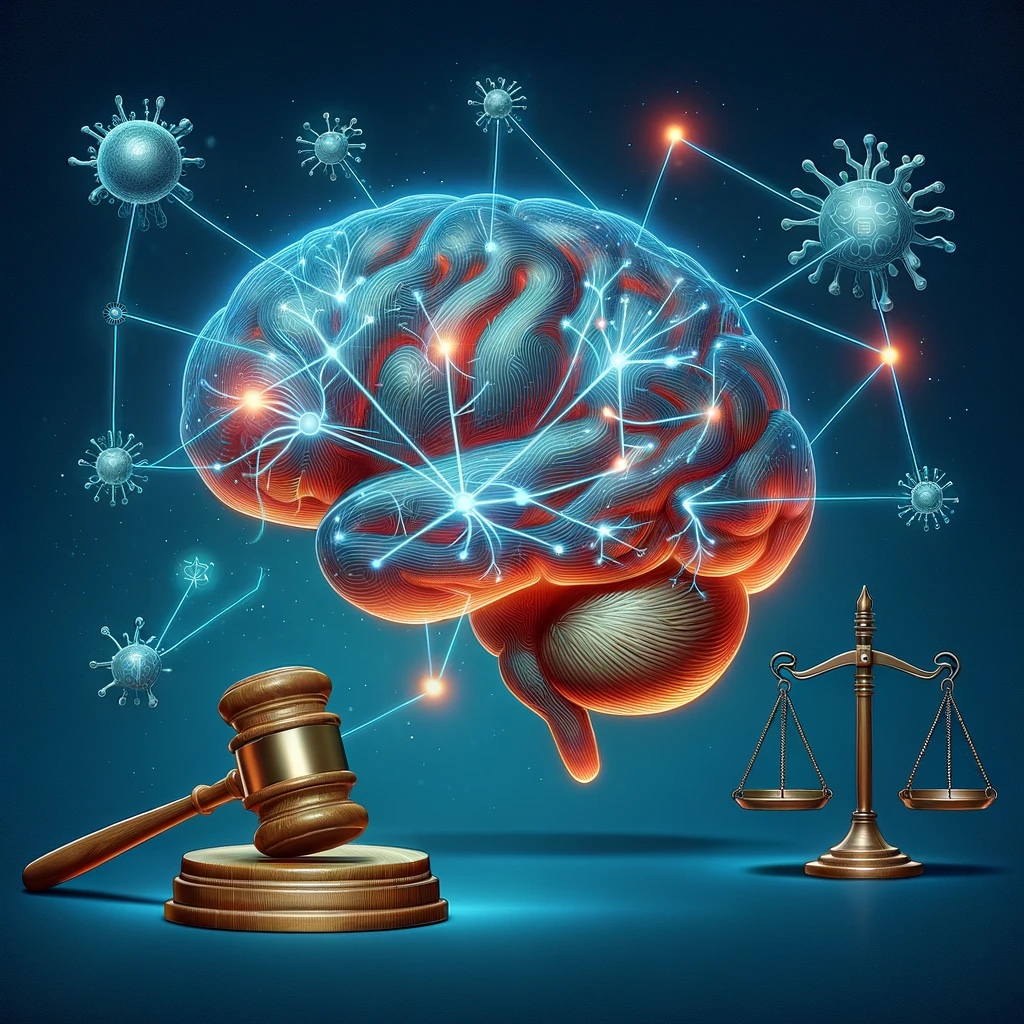
As we speak, the boundaries of neuroscience are expanding. Imagine a world where neural pathways can be mapped to pinpoint exactly how decisions are made. Such a reality could revolutionize our judicial system, challenging our black-and-white notions of guilt and innocence. What if part of one’s “criminal” actions are hardwired and beyond their immediate control?
Toward a New Paradigm
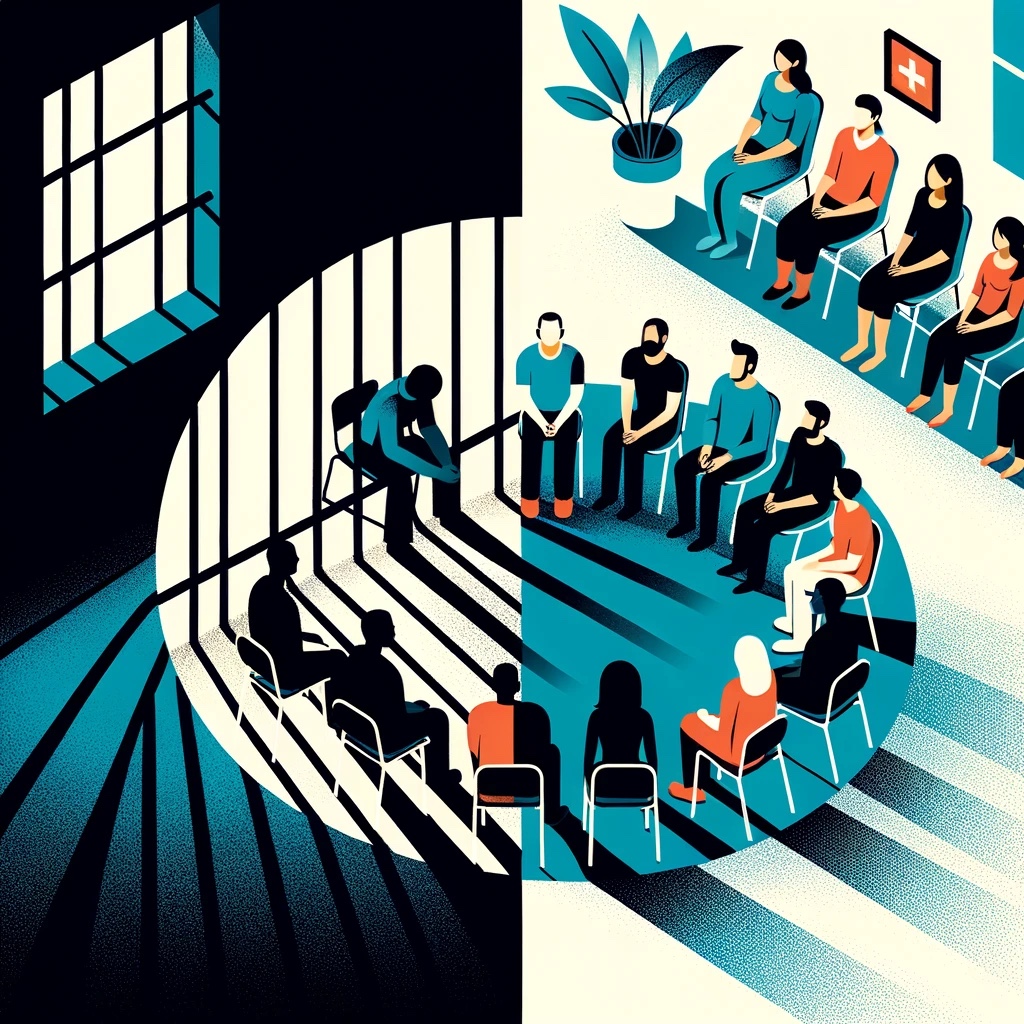
But there’s hope on the horizon. With advancements in technology, especially AI, we’re at the cusp of formulating a justice system that integrates psychological nuances and humanizes those it judges. Imagine a system that doesn’t just incarcerate but rehabilitates, empowered by empathetic AI and a more nuanced understanding of human behavior.
The Role of Empathy
We often speak of empathy as if it’s a warm, fuzzy concept. But what if it were an actionable tool? One that can transform systems and bring restorative justice to the forefront? A more empathetic lens can not only reform but humanize our justice system, turning it from a punitive to a rehabilitative force.
It’s time we took a nuanced approach to justice, one that considers the labyrinthine complexities of human behavior, psychology, and societal constructs. Advances in neuroscience and technology offer us a roadmap to a system that serves not just the law but humanity.
This is a dialogue that needs your voice. I encourage you to engage with these questions, seek out scholarly articles, and participate in community discussions. Together, we can pave the path for a more equitable future.
 Oddly Robbie
Leave a comment